How to Build a Low-Maintenance Native Plant Border
Advertisement
You've probably seen those manicured garden borders made from boxwoods or plastic edging strips — and they look fine. But if you ask me, nothing beats a native garden edging that feels alive, attracts butterflies, and saves you from constant watering. I've been planting native borders for years, and I can tell you: once you switch to a native plant border, you won't look back. These plants work with nature, not against it. They resist pests, need no fertilizer, and once settled in, they laugh at droughts. This article walks you through real-world choices, step-by-step planning, and common pitfalls — so you can build a border that thrives in your yard.
E.g. :The 7 Essential Aponogeton Aquarium Plant Care Tips for Beginners
- 1、Creating a Border for Native Gardens
- 2、Top Native Plants for Edging
- 3、Matching Plants to Your Garden's Conditions
- 4、Common Mistakes People Make with Native Edging
- 5、Comparing Native Edging Plants: A Quick Reference
- 6、Common Myths About Native Garden Edging
- 7、Rhetorical Questions and Practical Answers
- 8、Practical Tips for Long-Term Success
- 9、Creating a Border for Native Gardens
- 10、Top Native Plants for Edging
- 11、Matching Plants to Your Garden's Conditions
- 12、Common Mistakes People Make with Native Edging
- 13、Comparing Native Edging Plants: A Quick Reference
- 14、Common Myths About Native Garden Edging
- 15、Rhetorical Questions and Practical Answers
- 16、Practical Tips for Long-Term Success
- 17、FAQs
You've probably seen those manicured garden borders made from boxwoods or plastic edging strips — and they look fine. But if you ask me, nothing beats a native garden edging that feels alive, attracts butterflies, and saves you from constant watering. I've been planting native borders for years, and I can tell you: once you switch to a native plant border, you won't look back. These plants work with nature, not against it. They resist pests, need no fertilizer, and once settled in, they laugh at droughts. This article walks you through real-world choices, step-by-step planning, and common pitfalls — so you can build a border that thrives in your yard.
Creating a Border for Native Gardens
Before you start digging, you need to match plants to your specific conditions. A border that works in the Pacific Northwest will die in Arizona, even if both use "native" plants. Your goal is to pick species that naturally grow within 50 miles of your home. That's the secret to low-maintenance success.
Why Local Species Matter More Than You Think
I once tried planting California poppies in a friend's garden in Ohio. They sprouted, sure — but they looked sad, flowered weakly, and got eaten by local bugs. Native doesn't mean "from anywhere in the country." It means adapted to your specific soil, rainfall, and temperature cycles. When you choose a plant that evolved in your region, it already knows how to handle your local pests and weather extremes.
Think of it this way: a native plant border built with local species is like wearing a custom-made suit — everything fits perfectly. But a border using plants from a different climate is like forcing a wool sweater on someone in Florida. It might survive, but it won't thrive. For example, lady fern (Athyrium filix-femina) naturally grows in woodland areas across North America, so it handles dappled shade and damp soil. Put it in a dry, sunny border, and you'll watch it crisp up. Always check the plant's natural habitat, not just its origin. A local nursery that specializes in natives can save you from expensive mistakes — I learned that the hard way after killing a batch of wildflowers I bought online.
Step-by-Step: How to Plan Your Native Edging
Start by measuring your border area and noting how much sun it gets. I use a simple trick: check the spot every hour from 9 a.m. to 5 p.m. on a sunny day. If it gets 6+ hours of direct light, you're in full sun territory. Less than 3 hours means shade. Then test your soil — grab a handful, wet it, and squeeze. Sandy soil falls apart; clay holds a tight ball. Loam feels crumbly. That matters because kinnikinnick (Arctostaphylos uva-ursi) loves sandy, well-drained soil, while downy yellow violet prefers rich, moist woodland loam.
Here's the step-by-step sequence I follow: First, remove existing grass and weeds by hand or with a sharp spade — no chemicals needed. Second, loosen the soil about 6 inches deep and mix in a thin layer of compost if your dirt is terrible. Third, arrange your plants while they're still in pots. Space them according to their mature size: California poppy spreads about 1 foot wide, so I place them 12 inches apart. Anise hyssop gets bigger — 2 feet apart minimum. Fourth, dig holes as deep as the pot but twice as wide. Fifth, water them in well and add a 2-inch layer of mulch (shredded bark works fine). That's it. Most native plants need water every 3-4 days for the first month, then you can back off. After one growing season, they're self-sufficient.
Top Native Plants for Edging
Here are the heavy hitters I've used personally. Each one earns its spot in a native garden edging by looking good, supporting wildlife, and requiring almost no fussing. I'll break down their ideal conditions and what makes them special.
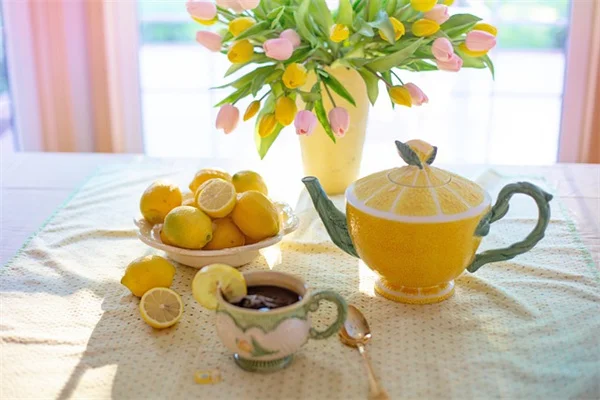 Photos provided by pixabay
California Poppy (Eschscholzia californica)
This sun-lover is my go-to for borders that need a pop of color. California poppy blooms like crazy from late spring through summer, producing bright yellow-orange flowers that literally close up at night and reopen in the morning. It's an annual, but it reseeds itself generously — so once you plant it, you'll have volunteers popping up for years. I love using it along the front edge of a border because its low, ferny foliage stays tidy.
One thing to know: California poppy hates wet feet. If your soil drains slowly, you'll need to plant it on a slight mound or in raised beds. It handles full sun like a champ, but in hotter climates, a bit of afternoon shade keeps it from looking fried by August. I've seen it grow in sandy, rocky, and even clay soil as long as water doesn't pool. For the best show, sow seeds directly in early spring — don't bother with transplants. They taproot deeply and resent being moved. And here's a tip: if you deadhead spent flowers, you'll get a second wave of blooms in early fall. But if you leave them, you'll get seeds for next year. I usually do a mix — deadhead half for late color, leave half for self-seeding.
Anise Hyssop (Agastache foeniculum)
If you want a butterfly magnet that also smells amazing, grab anise hyssop. Its spikes of lavender flowers appear in mid to late summer, and the leaves smell like licorice when you brush against them. Bees go absolutely crazy for it — I've counted five species on one plant at the same time. It grows about 2-3 feet tall, so I use it as a mid-border plant rather than a front-edge edger, but its upright habit makes a great vertical accent.
Anise hyssop is tough as nails. It tolerates drought, poor soil, and even some neglect. Full sun gives you the most flowers, but it'll still bloom in partial shade — just fewer spikes. I grow it in zones 3 through 10, which covers almost everyone. One caution: it spreads by rhizomes and self-seeds, so it can wander if you're not watching. I pull out stray seedlings in spring and share them with neighbors. For a native plant border, I pair it with globe gilia and calico aster for a long season of color from summer into fall. The contrast between the purple spikes and yellow asters is stunning.
Kinnikinnick (Arctostaphylos uva-ursi)
This evergreen groundcover is perfect for the front edge of a border. Kinnikinnick — also called bearberry — stays low, about 6 inches tall, and spreads slowly to form a dense mat. Pinkish-white flowers appear in late spring, followed by bright red berries that songbirds love. The dark green leaves stay glossy all winter, so your border never looks bare. I've used it on slopes where nothing else would grow, and it just laughs at dry conditions.
Here's the catch: kinnikinnick hates rich soil and shade. It needs full sun to partial shade and sandy, well-drained ground. If your garden has heavy clay, you'll need to amend it with sand or gravel before planting. It's hardy from zones 2 through 6, so it's great for cold climates. I've seen it thrive in northern states like Minnesota and Montana, but it struggles in hot, humid areas. Water it weekly for the first year, then barely at all. Once established, it can go months without irrigation. For a native garden edging that stays green year-round, kinnikinnick is hard to beat.
 Photos provided by pixabay
California Poppy (Eschscholzia californica)
Also known as starved aster or white woodland aster, this plant brings late-season interest to your border. Calico aster produces small white flowers with pinkish centers in autumn, just when most other perennials are fading. It's native to the eastern half of the United States, but it adapts well to many regions. I like it because it grows in both full sun and full shade — something most asters can't do. It reaches about 2 feet tall, making it a flexible mid-border plant.
One thing to watch: calico aster spreads by rhizomes and can get aggressive in rich soil. I plant it where it has room to roam, like along a fence line or at the back of a wide border. It's hardy from zones 3 through 9, so it works in most of the country. The flowers are a crucial nectar source for migrating butterflies and native bees in late fall. If you want to contain its spread, plant it in a spot with lean soil and less water. That keeps it compact and well-behaved. For a native plant border that has color from spring through frost, combine calico aster with downy yellow violet and anise hyssop.
Lady Fern (Athyrium filix-femina)
For shady borders, lady fern is my top pick. Its graceful, arching fronds create a soft, lush texture that contrasts beautifully with flowering plants. Native to woodland areas across North America, it thrives in partial to full shade. It grows about 2-3 feet tall and spreads slowly by rhizomes. I use it along the back of a shady border or as a backdrop for shorter woodland plants like downy yellow violet.
Lady fern needs consistent moisture — especially in its first year. Don't let it dry out completely, or the fronds will brown at the edges. Once established, it's fairly drought-tolerant in shade, but it still prefers damp soil. Hardy from zones 4 to 8, it works well in cooler climates. I mulch heavily around the base to keep the soil cool and moist. One warning: deer love lady fern, so if you have heavy deer pressure, you might need fencing or repellent. But for a native garden edging in a shady corner, this fern adds a timeless, woodland feel that's hard to match.
Downy Yellow Violet (Viola pubescens)
Don't overlook this little gem for early spring color. Downy yellow violet blooms with cheerful yellow flowers in early spring, providing crucial nectar for queen bumblebees emerging from hibernation. It's native to shady woodlands in the eastern half of the United States, hardy from zones 2 through 7. The plant stays low — about 6 inches tall — so it works perfectly as a front-edge edger in a shaded native plant border.
This violet spreads by both seeds and underground runners, so it can form a nice groundcover over time. It prefers rich, moist soil with plenty of leaf litter, mimicking its natural woodland habitat. I plant it under deciduous trees where it gets spring sun before the leaves emerge, then dappled shade in summer. The foliage remains attractive through fall. One trick: let the seeds ripen and scatter naturally, and you'll get more plants each year. It's not aggressive — just slowly fills in gaps. For a native garden edging in a shady spot, pair it with lady fern and wild ginger for a lush, layered look.
Matching Plants to Your Garden's Conditions
Not every native plant will work in every spot. You need to match the plant's natural preferences to your garden's specific light, soil, and moisture levels. Get this right, and your border will thrive with minimal effort. Get it wrong, and you'll spend your weekends fussing with struggling plants.
 Photos provided by pixabay
California Poppy (Eschscholzia californica)
I keep a simple rule: if a spot gets 6+ hours of direct sun, I use sun-lovers like California poppy and anise hyssop. For spots with less than 3 hours of direct sun, I go with shade-tolerant plants like lady fern and downy yellow violet. Calico aster is my wildcard — it handles both extremes, which is rare. But even it prefers more sun for the best flower display.
Here's a practical example from my own yard: I have a south-facing border that bakes in afternoon sun. I planted kinnikinnick at the edge — it loves the heat and dry soil. Behind it, anise hyssop and California poppy create a riot of color. On the north side of my house, where it's shady and damp, I put in lady fern and downy yellow violet. Both look lush and healthy with almost no watering after the first year. The key is to observe your garden for a week before you plant anything. Note where the shadows fall at different times of day, and check which spots stay damp after rain. That information is gold when you're planning a native plant border.
Soil Type and Drainage: What Works Where
Soil is often the biggest challenge for new native gardeners. Clay soil holds water like a sponge, while sandy soil drains faster than a colander. Most native plants prefer something in between — loamy soil that holds moisture but drains well. But you can work with what you have if you choose the right species. For example, kinnikinnick thrives in sandy, rocky soil that would starve a typical garden plant. Downy yellow violet loves rich, moist loam. California poppy tolerates both sand and clay as long as it's not waterlogged.
To figure out your soil type, do the squeeze test I mentioned earlier. If your soil forms a tight, sticky ball that doesn't crumble, it's clay. If it falls apart immediately, it's sand. If it holds its shape but crumbles when you poke it, it's loam. For clay soil, I add 2-3 inches of coarse sand or fine gravel to the planting area to improve drainage. For sandy soil, I mix in 1-2 inches of compost to hold moisture. Never add peat moss — it's not sustainable and many natives don't like its acidity. A native garden edging built on the right soil foundation will outlast any border you've planted before.
Common Mistakes People Make with Native Edging
I've made almost every mistake in the book, so let me save you some trouble. The most common error is treating native plants like exotic ornamentals. You don't need to baby them, but you also can't just throw them in the ground and walk away. Here's what I've learned the hard way.
Overwatering: The Silent Killer of Native Borders
When I first started, I watered my native plants every day — like I did with my tomatoes. Within a month, half of them rotted at the roots. Native plants are adapted to your region's natural rainfall patterns. In most climates, they only need supplemental water during their first growing season, and then only during severe droughts. Overwatering encourages shallow roots, fungal diseases, and weak growth. The plant ends up dependent on you, which defeats the whole purpose.
Here's a better approach: water deeply once a week for the first month after planting. Then cut back to every 10-14 days for the rest of the first summer. By year two, only water during extended dry spells — meaning no significant rain for 3+ weeks. I use a moisture meter to check: if the soil feels damp 2 inches down, I skip watering. For a native plant border, letting the soil dry out between waterings encourages deep root growth. That's what makes them truly drought-tolerant. One exception: lady fern and downy yellow violet prefer consistent moisture, so I check on them more often. But for sun-lovers like California poppy and anise hyssop, drier is better.
Planting Too Densely or Too Sparsely
Another mistake I see: people plant natives way too close together, thinking they'll fill in faster. Cramped plants compete for water and nutrients, leading to weak growth and disease. On the flip side, planting too far apart leaves bare soil that weeds love. The sweet spot is to space plants according to their mature width. For example, California poppy spreads 12 inches wide, so I space them 10-12 inches apart. Kinnikinnick spreads slowly — 18 inches apart gives it room to form a mat in a couple of years. Anise hyssop gets 2 feet wide, so 18-24 inches apart is ideal.
I learned this lesson when I planted a border of globe gilia too densely — they grew tall and spindly, flopped over, and barely bloomed. The next year, I thinned them to 8 inches apart, and they formed compact, bushy plants covered in those blue thimble-like flowers. If you're unsure, use the tag's spacing recommendation as a starting point, then add 10% more space for airflow. For a native garden edging that looks established from day one, use a mix of fast-filling annuals like California poppy and slower perennials like kinnikinnick. The annuals cover gaps while the perennials spread.
Comparing Native Edging Plants: A Quick Reference
To help you decide, I've put together a comparison table based on my experience and common knowledge from extension services. These numbers are typical ranges, not exact guarantees. Always check your local conditions first.
| Plant Name | Mature Height | Sun Requirement | Soil Preference | Water Needs (after 1st year) | Hardiness Zones |
|---|---|---|---|---|---|
| California Poppy | 12 inches | Full sun | Sandy, well-drained | Low — drought-tolerant | Annual (all zones) |
| Anise Hyssop | 24-36 inches | Full sun to partial shade | Any well-drained | Low — very drought-tolerant | 3-10 |
| Kinnikinnick | 6 inches | Full sun to partial shade | Sandy, acidic | Very low — once established | 2-6 |
| Calico Aster | 24 inches | Full sun to full shade | Moist, well-drained | Medium — tolerates some drought | 3-9 |
| Lady Fern | 24-36 inches | Partial to full shade | Moist, rich loam | Medium — prefers consistent moisture | 4-8 |
| Downy Yellow Violet | 6 inches | Partial to full shade | Rich, moist loam | Medium — keep soil damp | 2-7 |
Common Myths About Native Garden Edging
There's a lot of bad advice floating around about native plants. Let me clear up a few myths I hear all the time. Understanding these will save you time, money, and frustration.
Myth: Native Plants Are Completely Maintenance-Free
I wish this were true, but it's not. Native plants need less maintenance than exotic ornamentals, but they aren't zero-maintenance. You still need to water them during their first growing season, pull aggressive weeds, and occasionally divide overgrown clumps. For example, anise hyssop self-seeds prolifically — if you don't pull out unwanted seedlings, it can take over your border in a couple of years. Kinnikinnick needs an annual weeding session to keep grass from sneaking into its mat.
Think of it this way: a native plant border trades high-input maintenance (fertilizing, constant watering, pest control) for low-input maintenance (seasonal weeding, occasional dividing, and maybe a spring cleanup). I spend about 4-6 hours a year on my native borders — mostly in spring pulling out invasive weed seedlings and in fall cutting back dead stems. That's a fraction of what I used to spend on my rose garden. So yes, natives are easier, but they're not "plant it and forget it." If you want truly zero maintenance, you'd need a concrete patio.
Myth: Any Plant Labeled "Native" Will Thrive in Your Yard
This one gets me every time. "Native" is a broad term that can mean native to your continent, your country, or your state. A plant native to Texas won't survive a Minnesota winter, even if both are in the U.S. And within the same state, a plant from the coastal plains may struggle in mountain soils. I bought a "native" wildflower mix once that included species from the East Coast — I live in the West. They germinated but grew poorly and died by midsummer.
Here's what I recommend: ask your local nursery for plants native to your specific ecoregion, not just your country. In the U.S., you can check the USDA PLANTS Database or your state's native plant society. For example, lady fern is native to North America overall, but it's most common in the Northeast and Pacific Northwest. If you live in the arid Southwest, it's not a good choice — try desert marigold or penstemon instead. For a native garden edging, local is always better. A plant that evolved within 50 miles of your home has the best chance of thriving with zero inputs.
Rhetorical Questions and Practical Answers
Let me tackle two questions that come up in almost every conversation I have about native edging. These are the real sticking points that stop people from getting started.
Do I Really Need to Remove All Non-Native Plants From My Border?
Here's the honest answer: no, you don't need to remove everything. You can absolutely mix native and non-native plants in the same border — as long as the non-natives aren't invasive. Invasive species like English ivy, burning bush, or Japanese barberry will aggressively outcompete and choke out your natives. But well-behaved non-natives like lavender, roses, or daylilies can coexist peacefully. I have a border where California poppy grows alongside lavender — they bloom at different times and don't compete for resources.
My rule of thumb: aim for at least 70% native species in your native plant border. That gives you the ecological benefits — pollinator support, drought tolerance, low maintenance — while still letting you keep a few favorite non-natives that have sentimental value. But check your area's invasive plant list before buying anything. In my experience, the most common mistake is planting something labeled "non-invasive" that turns out to be a thug. For example, purple loosestrife was sold as a garden plant for decades before we realized it's a nightmare in wetlands. Do your homework, and you'll avoid that headache.
Can I Create a Native Border That Blooms All Season?
Yes, but you need to plan carefully. Many native plants have relatively short bloom periods — 2-4 weeks per species. To get continuous color from spring through fall, you need to layer early, mid, and late-season bloomers. For example, downy yellow violet blooms in early spring, California poppy takes over in late spring through summer, anise hyssop shines in mid-summer, and calico aster finishes in fall. That gives you about 8 months of flowers with proper planning.
I also use plants with attractive foliage or berries to fill the gaps. Kinnikinnick has glossy evergreen leaves and red berries that persist into winter. Lady fern provides lush green texture even when nothing is blooming. Globe gilia has interesting globe-shaped flower heads that remain attractive after blooming. For a native garden edging that looks good year-round, combine at least 3-4 plants from different seasons. My personal mix: downy yellow violet (spring), California poppy (summer), anise hyssop (late summer), calico aster (fall), and kinnikinnick (winter interest). That border has something happening every month of the growing season.
Practical Tips for Long-Term Success
After a few seasons, you'll learn what works and what doesn't. Here's my accumulated wisdom from years of trial and error. These tips will save you from the most common headaches.
Watering in the First Year
I can't stress this enough: the first year is critical for root establishment. Even drought-tolerant natives like California poppy need regular water while their roots get deep. I water newly planted borders about once a week for the first month, then every two weeks for the rest of the growing season. The key is to water deeply — aim for about 1 inch of water per session, which soaks down 6-8 inches. Shallow watering encourages shallow roots that can't handle drought later.
Here's a trick I use: after watering, poke a finger into the soil near the plant's roots. If it feels dry an inch down, you need more water. If it's moist, wait a few more days. For lady fern and downy yellow violet, I check more often — they prefer consistently damp soil. But for anise hyssop and kinnikinnick, I let the soil dry out completely between waterings. Overwatering is actually more dangerous than underwatering for most natives. Root rot is a real risk in clay soils. I lost three anise hyssop plants my first year because I watered them daily. Now I know better.
Weeding and Mulching
Weeds are the biggest threat to a young native border. Aggressive weeds like crabgrass, bindweed, and dandelions can smother small native plants before they get established. I weed by hand once a week for the first two months, pulling weeds when they're small and easy to remove. After that, I apply a 2-3 inch layer of mulch — shredded bark, wood chips, or leaf mold work well. Mulch suppresses weeds, retains moisture, and keeps soil temperatures stable. It also looks tidy, which is a bonus.
One warning: don't use landscape fabric under your mulch. It prevents water from penetrating, blocks air circulation, and makes it harder for native plants to spread naturally. I learned this the hard way — my kinnikinnick refused to spread over fabric, and the soil underneath stayed bone dry. Now I use 3 inches of arborist wood chips directly on the soil. They break down over time and feed the soil microbes. For a native plant border, organic mulch is the way to go. Just keep it a few inches away from plant stems to prevent rot.
Dividing and Renovating
After 3-4 years, some native plants will outgrow their space. Anise hyssop, lady fern, and calico aster all benefit from division every 3-5 years. I dig up the clump in early spring or fall, split it into 3-4 sections with a sharp spade, and replant them with fresh spacing. This keeps the plants vigorous and prevents them from crowding out slower-growing neighbors. Kinnikinnick and downy yellow violet don't need dividing — they spread slowly and naturally fill gaps.
Here's my renovation schedule: every fourth spring, I assess each plant's performance. If it's flowering less, getting woody, or spreading into unwanted areas, I divide it. If it's thriving, I leave it alone. I also remove any dead stems or foliage in late winter to make room for new growth. For annuals like California poppy and globe gilia, I let them self-seed and then thin out the seedlings in spring. I keep the strongest ones spaced 8-12 inches apart and pull the rest. That gives me a dense, healthy native garden edging without any effort or cost.
You've probably seen those manicured garden borders made from boxwoods or plastic edging strips — and they look fine. But if you ask me, nothing beats a native garden edging that feels alive, attracts butterflies, and saves you from constant watering. I've been planting native borders for years, and I can tell you: once you switch to a native plant border, you won't look back. These plants work with nature, not against it. They resist pests, need no fertilizer, and once settled in, they laugh at droughts. This article walks you through real-world choices, step-by-step planning, and common pitfalls — so you can build a border that thrives in your yard.
Creating a Border for Native Gardens
Before you start digging, you need to match plants to your specific conditions. A border that works in the Pacific Northwest will die in Arizona, even if both use "native" plants. Your goal is to pick species that naturally grow within 50 miles of your home. That's the secret to low-maintenance success.
Why Local Species Matter More Than You Think
I once tried planting California poppies in a friend's garden in Ohio. They sprouted, sure — but they looked sad, flowered weakly, and got eaten by local bugs. Native doesn't mean "from anywhere in the country." It means adapted to your specific soil, rainfall, and temperature cycles. When you choose a plant that evolved in your region, it already knows how to handle your local pests and weather extremes.
Think of it this way: a native plant border built with local species is like wearing a custom-made suit — everything fits perfectly. But a border using plants from a different climate is like forcing a wool sweater on someone in Florida. It might survive, but it won't thrive. For example, lady fern (Athyrium filix-femina) naturally grows in woodland areas across North America, so it handles dappled shade and damp soil. Put it in a dry, sunny border, and you'll watch it crisp up. Always check the plant's natural habitat, not just its origin. A local nursery that specializes in natives can save you from expensive mistakes — I learned that the hard way after killing a batch of wildflowers I bought online.
Step-by-Step: How to Plan Your Native Edging
Start by measuring your border area and noting how much sun it gets. I use a simple trick: check the spot every hour from 9 a.m. to 5 p.m. on a sunny day. If it gets 6+ hours of direct light, you're in full sun territory. Less than 3 hours means shade. Then test your soil — grab a handful, wet it, and squeeze. Sandy soil falls apart; clay holds a tight ball. Loam feels crumbly. That matters because kinnikinnick (Arctostaphylos uva-ursi) loves sandy, well-drained soil, while downy yellow violet prefers rich, moist woodland loam.
Here's the step-by-step sequence I follow: First, remove existing grass and weeds by hand or with a sharp spade — no chemicals needed. Second, loosen the soil about 6 inches deep and mix in a thin layer of compost if your dirt is terrible. Third, arrange your plants while they're still in pots. Space them according to their mature size: California poppy spreads about 1 foot wide, so I place them 12 inches apart. Anise hyssop gets bigger — 2 feet apart minimum. Fourth, dig holes as deep as the pot but twice as wide. Fifth, water them in well and add a 2-inch layer of mulch (shredded bark works fine). That's it. Most native plants need water every 3-4 days for the first month, then you can back off. After one growing season, they're self-sufficient.
Top Native Plants for Edging
Here are the heavy hitters I've used personally. Each one earns its spot in a native garden edging by looking good, supporting wildlife, and requiring almost no fussing. I'll break down their ideal conditions and what makes them special.
Photos provided by pixabay
California Poppy (Eschscholzia californica)
This sun-lover is my go-to for borders that need a pop of color. California poppy blooms like crazy from late spring through summer, producing bright yellow-orange flowers that literally close up at night and reopen in the morning. It's an annual, but it reseeds itself generously — so once you plant it, you'll have volunteers popping up for years. I love using it along the front edge of a border because its low, ferny foliage stays tidy.
One thing to know: California poppy hates wet feet. If your soil drains slowly, you'll need to plant it on a slight mound or in raised beds. It handles full sun like a champ, but in hotter climates, a bit of afternoon shade keeps it from looking fried by August. I've seen it grow in sandy, rocky, and even clay soil as long as water doesn't pool. For the best show, sow seeds directly in early spring — don't bother with transplants. They taproot deeply and resent being moved. And here's a tip: if you deadhead spent flowers, you'll get a second wave of blooms in early fall. But if you leave them, you'll get seeds for next year. I usually do a mix — deadhead half for late color, leave half for self-seeding.
Anise Hyssop (Agastache foeniculum)
If you want a butterfly magnet that also smells amazing, grab anise hyssop. Its spikes of lavender flowers appear in mid to late summer, and the leaves smell like licorice when you brush against them. Bees go absolutely crazy for it — I've counted five species on one plant at the same time. It grows about 2-3 feet tall, so I use it as a mid-border plant rather than a front-edge edger, but its upright habit makes a great vertical accent.
Anise hyssop is tough as nails. It tolerates drought, poor soil, and even some neglect. Full sun gives you the most flowers, but it'll still bloom in partial shade — just fewer spikes. I grow it in zones 3 through 10, which covers almost everyone. One caution: it spreads by rhizomes and self-seeds, so it can wander if you're not watching. I pull out stray seedlings in spring and share them with neighbors. For a native plant border, I pair it with globe gilia and calico aster for a long season of color from summer into fall. The contrast between the purple spikes and yellow asters is stunning.
Kinnikinnick (Arctostaphylos uva-ursi)
This evergreen groundcover is perfect for the front edge of a border. Kinnikinnick — also called bearberry — stays low, about 6 inches tall, and spreads slowly to form a dense mat. Pinkish-white flowers appear in late spring, followed by bright red berries that songbirds love. The dark green leaves stay glossy all winter, so your border never looks bare. I've used it on slopes where nothing else would grow, and it just laughs at dry conditions.
Here's the catch: kinnikinnick hates rich soil and shade. It needs full sun to partial shade and sandy, well-drained ground. If your garden has heavy clay, you'll need to amend it with sand or gravel before planting. It's hardy from zones 2 through 6, so it's great for cold climates. I've seen it thrive in northern states like Minnesota and Montana, but it struggles in hot, humid areas. Water it weekly for the first year, then barely at all. Once established, it can go months without irrigation. For a native garden edging that stays green year-round, kinnikinnick is hard to beat.
Photos provided by pixabay
California Poppy (Eschscholzia californica)
Also known as starved aster or white woodland aster, this plant brings late-season interest to your border. Calico aster produces small white flowers with pinkish centers in autumn, just when most other perennials are fading. It's native to the eastern half of the United States, but it adapts well to many regions. I like it because it grows in both full sun and full shade — something most asters can't do. It reaches about 2 feet tall, making it a flexible mid-border plant.
One thing to watch: calico aster spreads by rhizomes and can get aggressive in rich soil. I plant it where it has room to roam, like along a fence line or at the back of a wide border. It's hardy from zones 3 through 9, so it works in most of the country. The flowers are a crucial nectar source for migrating butterflies and native bees in late fall. If you want to contain its spread, plant it in a spot with lean soil and less water. That keeps it compact and well-behaved. For a native plant border that has color from spring through frost, combine calico aster with downy yellow violet and anise hyssop.
Lady Fern (Athyrium filix-femina)
For shady borders, lady fern is my top pick. Its graceful, arching fronds create a soft, lush texture that contrasts beautifully with flowering plants. Native to woodland areas across North America, it thrives in partial to full shade. It grows about 2-3 feet tall and spreads slowly by rhizomes. I use it along the back of a shady border or as a backdrop for shorter woodland plants like downy yellow violet.
Lady fern needs consistent moisture — especially in its first year. Don't let it dry out completely, or the fronds will brown at the edges. Once established, it's fairly drought-tolerant in shade, but it still prefers damp soil. Hardy from zones 4 to 8, it works well in cooler climates. I mulch heavily around the base to keep the soil cool and moist. One warning: deer love lady fern, so if you have heavy deer pressure, you might need fencing or repellent. But for a native garden edging in a shady corner, this fern adds a timeless, woodland feel that's hard to match.
Downy Yellow Violet (Viola pubescens)
Don't overlook this little gem for early spring color. Downy yellow violet blooms with cheerful yellow flowers in early spring, providing crucial nectar for queen bumblebees emerging from hibernation. It's native to shady woodlands in the eastern half of the United States, hardy from zones 2 through 7. The plant stays low — about 6 inches tall — so it works perfectly as a front-edge edger in a shaded native plant border.
This violet spreads by both seeds and underground runners, so it can form a nice groundcover over time. It prefers rich, moist soil with plenty of leaf litter, mimicking its natural woodland habitat. I plant it under deciduous trees where it gets spring sun before the leaves emerge, then dappled shade in summer. The foliage remains attractive through fall. One trick: let the seeds ripen and scatter naturally, and you'll get more plants each year. It's not aggressive — just slowly fills in gaps. For a native garden edging in a shady spot, pair it with lady fern and wild ginger for a lush, layered look.
Matching Plants to Your Garden's Conditions
Not every native plant will work in every spot. You need to match the plant's natural preferences to your garden's specific light, soil, and moisture levels. Get this right, and your border will thrive with minimal effort. Get it wrong, and you'll spend your weekends fussing with struggling plants.
Photos provided by pixabay
California Poppy (Eschscholzia californica)
I keep a simple rule: if a spot gets 6+ hours of direct sun, I use sun-lovers like California poppy and anise hyssop. For spots with less than 3 hours of direct sun, I go with shade-tolerant plants like lady fern and downy yellow violet. Calico aster is my wildcard — it handles both extremes, which is rare. But even it prefers more sun for the best flower display.
Here's a practical example from my own yard: I have a south-facing border that bakes in afternoon sun. I planted kinnikinnick at the edge — it loves the heat and dry soil. Behind it, anise hyssop and California poppy create a riot of color. On the north side of my house, where it's shady and damp, I put in lady fern and downy yellow violet. Both look lush and healthy with almost no watering after the first year. The key is to observe your garden for a week before you plant anything. Note where the shadows fall at different times of day, and check which spots stay damp after rain. That information is gold when you're planning a native plant border.
Soil Type and Drainage: What Works Where
Soil is often the biggest challenge for new native gardeners. Clay soil holds water like a sponge, while sandy soil drains faster than a colander. Most native plants prefer something in between — loamy soil that holds moisture but drains well. But you can work with what you have if you choose the right species. For example, kinnikinnick thrives in sandy, rocky soil that would starve a typical garden plant. Downy yellow violet loves rich, moist loam. California poppy tolerates both sand and clay as long as it's not waterlogged.
To figure out your soil type, do the squeeze test I mentioned earlier. If your soil forms a tight, sticky ball that doesn't crumble, it's clay. If it falls apart immediately, it's sand. If it holds its shape but crumbles when you poke it, it's loam. For clay soil, I add 2-3 inches of coarse sand or fine gravel to the planting area to improve drainage. For sandy soil, I mix in 1-2 inches of compost to hold moisture. Never add peat moss — it's not sustainable and many natives don't like its acidity. A native garden edging built on the right soil foundation will outlast any border you've planted before.
Common Mistakes People Make with Native Edging
I've made almost every mistake in the book, so let me save you some trouble. The most common error is treating native plants like exotic ornamentals. You don't need to baby them, but you also can't just throw them in the ground and walk away. Here's what I've learned the hard way.
Overwatering: The Silent Killer of Native Borders
When I first started, I watered my native plants every day — like I did with my tomatoes. Within a month, half of them rotted at the roots. Native plants are adapted to your region's natural rainfall patterns. In most climates, they only need supplemental water during their first growing season, and then only during severe droughts. Overwatering encourages shallow roots, fungal diseases, and weak growth. The plant ends up dependent on you, which defeats the whole purpose.
Here's a better approach: water deeply once a week for the first month after planting. Then cut back to every 10-14 days for the rest of the first summer. By year two, only water during extended dry spells — meaning no significant rain for 3+ weeks. I use a moisture meter to check: if the soil feels damp 2 inches down, I skip watering. For a native plant border, letting the soil dry out between waterings encourages deep root growth. That's what makes them truly drought-tolerant. One exception: lady fern and downy yellow violet prefer consistent moisture, so I check on them more often. But for sun-lovers like California poppy and anise hyssop, drier is better.
Planting Too Densely or Too Sparsely
Another mistake I see: people plant natives way too close together, thinking they'll fill in faster. Cramped plants compete for water and nutrients, leading to weak growth and disease. On the flip side, planting too far apart leaves bare soil that weeds love. The sweet spot is to space plants according to their mature width. For example, California poppy spreads 12 inches wide, so I space them 10-12 inches apart. Kinnikinnick spreads slowly — 18 inches apart gives it room to form a mat in a couple of years. Anise hyssop gets 2 feet wide, so 18-24 inches apart is ideal.
I learned this lesson when I planted a border of globe gilia too densely — they grew tall and spindly, flopped over, and barely bloomed. The next year, I thinned them to 8 inches apart, and they formed compact, bushy plants covered in those blue thimble-like flowers. If you're unsure, use the tag's spacing recommendation as a starting point, then add 10% more space for airflow. For a native garden edging that looks established from day one, use a mix of fast-filling annuals like California poppy and slower perennials like kinnikinnick. The annuals cover gaps while the perennials spread.
Comparing Native Edging Plants: A Quick Reference
To help you decide, I've put together a comparison table based on my experience and common knowledge from extension services. These numbers are typical ranges, not exact guarantees. Always check your local conditions first.
| Plant Name | Mature Height | Sun Requirement | Soil Preference | Water Needs (after 1st year) | Hardiness Zones |
|---|---|---|---|---|---|
| California Poppy | 12 inches | Full sun | Sandy, well-drained | Low — drought-tolerant | Annual (all zones) |
| Anise Hyssop | 24-36 inches | Full sun to partial shade | Any well-drained | Low — very drought-tolerant | 3-10 |
| Kinnikinnick | 6 inches | Full sun to partial shade | Sandy, acidic | Very low — once established | 2-6 |
| Calico Aster | 24 inches | Full sun to full shade | Moist, well-drained | Medium — tolerates some drought | 3-9 |
| Lady Fern | 24-36 inches | Partial to full shade | Moist, rich loam | Medium — prefers consistent moisture | 4-8 |
| Downy Yellow Violet | 6 inches | Partial to full shade | Rich, moist loam | Medium — keep soil damp | 2-7 |
Common Myths About Native Garden Edging
There's a lot of bad advice floating around about native plants. Let me clear up a few myths I hear all the time. Understanding these will save you time, money, and frustration.
Myth: Native Plants Are Completely Maintenance-Free
I wish this were true, but it's not. Native plants need less maintenance than exotic ornamentals, but they aren't zero-maintenance. You still need to water them during their first growing season, pull aggressive weeds, and occasionally divide overgrown clumps. For example, anise hyssop self-seeds prolifically — if you don't pull out unwanted seedlings, it can take over your border in a couple of years. Kinnikinnick needs an annual weeding session to keep grass from sneaking into its mat.
Think of it this way: a native plant border trades high-input maintenance (fertilizing, constant watering, pest control) for low-input maintenance (seasonal weeding, occasional dividing, and maybe a spring cleanup). I spend about 4-6 hours a year on my native borders — mostly in spring pulling out invasive weed seedlings and in fall cutting back dead stems. That's a fraction of what I used to spend on my rose garden. So yes, natives are easier, but they're not "plant it and forget it." If you want truly zero maintenance, you'd need a concrete patio.
Myth: Any Plant Labeled "Native" Will Thrive in Your Yard
This one gets me every time. "Native" is a broad term that can mean native to your continent, your country, or your state. A plant native to Texas won't survive a Minnesota winter, even if both are in the U.S. And within the same state, a plant from the coastal plains may struggle in mountain soils. I bought a "native" wildflower mix once that included species from the East Coast — I live in the West. They germinated but grew poorly and died by midsummer.
Here's what I recommend: ask your local nursery for plants native to your specific ecoregion, not just your country. In the U.S., you can check the USDA PLANTS Database or your state's native plant society. For example, lady fern is native to North America overall, but it's most common in the Northeast and Pacific Northwest. If you live in the arid Southwest, it's not a good choice — try desert marigold or penstemon instead. For a native garden edging, local is always better. A plant that evolved within 50 miles of your home has the best chance of thriving with zero inputs.
Rhetorical Questions and Practical Answers
Let me tackle two questions that come up in almost every conversation I have about native edging. These are the real sticking points that stop people from getting started.
Do I Really Need to Remove All Non-Native Plants From My Border?
Here's the honest answer: no, you don't need to remove everything. You can absolutely mix native and non-native plants in the same border — as long as the non-natives aren't invasive. Invasive species like English ivy, burning bush, or Japanese barberry will aggressively outcompete and choke out your natives. But well-behaved non-natives like lavender, roses, or daylilies can coexist peacefully. I have a border where California poppy grows alongside lavender — they bloom at different times and don't compete for resources.
My rule of thumb: aim for at least 70% native species in your native plant border. That gives you the ecological benefits — pollinator support, drought tolerance, low maintenance — while still letting you keep a few favorite non-natives that have sentimental value. But check your area's invasive plant list before buying anything. In my experience, the most common mistake is planting something labeled "non-invasive" that turns out to be a thug. For example, purple loosestrife was sold as a garden plant for decades before we realized it's a nightmare in wetlands. Do your homework, and you'll avoid that headache.
Can I Create a Native Border That Blooms All Season?
Yes, but you need to plan carefully. Many native plants have relatively short bloom periods — 2-4 weeks per species. To get continuous color from spring through fall, you need to layer early, mid, and late-season bloomers. For example, downy yellow violet blooms in early spring, California poppy takes over in late spring through summer, anise hyssop shines in mid-summer, and calico aster finishes in fall. That gives you about 8 months of flowers with proper planning.
I also use plants with attractive foliage or berries to fill the gaps. Kinnikinnick has glossy evergreen leaves and red berries that persist into winter. Lady fern provides lush green texture even when nothing is blooming. Globe gilia has interesting globe-shaped flower heads that remain attractive after blooming. For a native garden edging that looks good year-round, combine at least 3-4 plants from different seasons. My personal mix: downy yellow violet (spring), California poppy (summer), anise hyssop (late summer), calico aster (fall), and kinnikinnick (winter interest). That border has something happening every month of the growing season.
Practical Tips for Long-Term Success
After a few seasons, you'll learn what works and what doesn't. Here's my accumulated wisdom from years of trial and error. These tips will save you from the most common headaches.
Watering in the First Year
I can't stress this enough: the first year is critical for root establishment. Even drought-tolerant natives like California poppy need regular water while their roots get deep. I water newly planted borders about once a week for the first month, then every two weeks for the rest of the growing season. The key is to water deeply — aim for about 1 inch of water per session, which soaks down 6-8 inches. Shallow watering encourages shallow roots that can't handle drought later.
Here's a trick I use: after watering, poke a finger into the soil near the plant's roots. If it feels dry an inch down, you need more water. If it's moist, wait a few more days. For lady fern and downy yellow violet, I check more often — they prefer consistently damp soil. But for anise hyssop and kinnikinnick, I let the soil dry out completely between waterings. Overwatering is actually more dangerous than underwatering for most natives. Root rot is a real risk in clay soils. I lost three anise hyssop plants my first year because I watered them daily. Now I know better.
Weeding and Mulching
Weeds are the biggest threat to a young native border. Aggressive weeds like crabgrass, bindweed, and dandelions can smother small native plants before they get established. I weed by hand once a week for the first two months, pulling weeds when they're small and easy to remove. After that, I apply a 2-3 inch layer of mulch — shredded bark, wood chips, or leaf mold work well. Mulch suppresses weeds, retains moisture, and keeps soil temperatures stable. It also looks tidy, which is a bonus.
One warning: don't use landscape fabric under your mulch. It prevents water from penetrating, blocks air circulation, and makes it harder for native plants to spread naturally. I learned this the hard way — my kinnikinnick refused to spread over fabric, and the soil underneath stayed bone dry. Now I use 3 inches of arborist wood chips directly on the soil. They break down over time and feed the soil microbes. For a native plant border, organic mulch is the way to go. Just keep it a few inches away from plant stems to prevent rot.
Dividing and Renovating
After 3-4 years, some native plants will outgrow their space. Anise hyssop, lady fern, and calico aster all benefit from division every 3-5 years. I dig up the clump in early spring or fall, split it into 3-4 sections with a sharp spade, and replant them with fresh spacing. This keeps the plants vigorous and prevents them from crowding out slower-growing neighbors. Kinnikinnick and downy yellow violet don't need dividing — they spread slowly and naturally fill gaps.
Here's my renovation schedule: every fourth spring, I assess each plant's performance. If it's flowering less, getting woody, or spreading into unwanted areas, I divide it. If it's thriving, I leave it alone. I also remove any dead stems or foliage in late winter to make room for new growth. For annuals like California poppy and globe gilia, I let them self-seed and then thin out the seedlings in spring. I keep the strongest ones spaced 8-12 inches apart and pull the rest. That gives me a dense, healthy native garden edging without any effort or cost.
E.g. :Garden edging : r/NativePlantGardening - Reddit
What types of edging are suitable for native plant gardens? - Facebook
How to edge a native bed : r/NativePlantGardening - Reddit
Keeping an Edge - The Native Plant Gardener
Feedback on garden border : r/NativePlantGardening - Reddit
FAQs
Q: Are native plants really maintenance-free once established?
A: Let me be blunt — no, they're not zero-maintenance, but they're a whole lot less work than traditional ornamentals. I've seen too many people plant a native plant border and then walk away, only to come back to a weed-filled mess. The truth is, you still need to water during that first growing season, pull aggressive weeds like crabgrass and dandelions, and occasionally divide overgrown clumps like anise hyssop or lady fern. Think of it this way: you trade high-input chores like fertilizing, constant watering, and pest control for low-input tasks like seasonal weeding and a spring cleanup. In my garden, I spend about 4 to 6 hours a year on my native borders — mostly in spring pulling out invasive weed seedlings and in fall cutting back dead stems. That's a fraction of the time I used to spend on my rose garden. So yes, natives are easier, but they still need your attention. If you want truly zero maintenance, you'd need a concrete patio or artificial turf.
Q: Can I grow California poppy in heavy clay soil?
A: It's possible, but you'll need to work with the soil rather than against it. California poppy absolutely hates wet feet — it's adapted to sandy, well-drained soils in the western United States. In my early gardening days, I planted some in a clay bed that stayed soggy after rain, and they rotted within a month. Here's what I've learned: if you have heavy clay, plant your California poppy on a slight mound or in a raised bed to improve drainage. Mix in about 2 to 3 inches of coarse sand or fine gravel into the top 6 inches of soil before planting. The key is to create a spot where water doesn't pool around the roots. Once you get that right, California poppy will thrive and reseed itself generously — I've had volunteers popping up for years after the initial planting. For a native garden edging that pops with color, it's worth the extra effort. Just remember: full sun is non-negotiable, and drier is always better than wetter.
Q: How do I get a native border that blooms all season long?
A: This is the number one question I get, and the answer is all about layering bloom times. Most native plants only flower for 2 to 4 weeks per species, so you need a mix of early, mid, and late-season bloomers to keep color going from spring through fall. In my own native plant border, I use this combination: downy yellow violet kicks off in early spring for the pollinators, California poppy takes over from late spring through summer with those bright yellow-orange blooms, anise hyssop shines in mid-summer with lavender spikes that bees go crazy for, and calico aster finishes strong in autumn with white flowers that migrating butterflies love. That gives me about 8 months of continuous color with proper spacing. I also use plants with attractive foliage or berries to fill the gaps — kinnikinnick has glossy evergreen leaves and red berries that persist into winter, and lady fern provides lush green texture even when nothing is flowering. For a native garden edging that looks good year-round, combine at least 3 to 4 plants from different seasons. My personal mix gives me something happening every month of the growing season.
Q: What's the biggest mistake people make with a native garden edging?
A: Without a doubt, it's overwatering during the first year. I made this mistake myself — I watered my native plants every day like I did with my tomatoes, and within a month, half of them rotted at the roots. Native plants are adapted to your region's natural rainfall patterns, so they don't need the constant pampering that exotic ornamentals demand. Here's my rule of thumb: water deeply once a week for the first month after planting, then cut back to every 10 to 14 days for the rest of the first summer. By year two, only water during extended dry spells — meaning no significant rain for 3 or more weeks. I use a simple moisture meter to check: if the soil feels damp 2 inches down, I skip watering. Overwatering encourages shallow roots, fungal diseases, and weak growth. The plant ends up dependent on you, which defeats the whole purpose of a low-maintenance native plant border. One exception: lady fern and downy yellow violet prefer consistent moisture, so I check on them more often. But for sun-lovers like California poppy and anise hyssop, drier is always better. Letting the soil dry out between waterings encourages deep root growth, which is what makes them truly drought-tolerant.
Q: Will a plant labeled "native" automatically thrive in my garden?
A> I wish it were that simple, but "native" is a much broader term than most people realize. A plant labeled "native" could be native to your continent, your country, or your state — and that makes a huge difference. For example, a plant native to Texas won't survive a Minnesota winter, even though both are in the U.S. I once bought a "native" wildflower mix that included species from the East Coast while I live in the West. They germinated but grew poorly and died by midsummer. Here's what I recommend: ask your local nursery for plants native to your specific ecoregion, not just your country. In the U.S., you can check the USDA PLANTS Database or your state's native plant society for guidance. For instance, lady fern is native to North America overall, but it's most common in the Northeast and Pacific Northwest. If you live in the arid Southwest, it's not a good choice — try desert marigold or penstemon instead. For a native garden edging that truly thrives, local is always better. A plant that evolved within 50 miles of your home has the best chance of handling your local soil, rainfall, pests, and temperature extremes with almost no input from you.